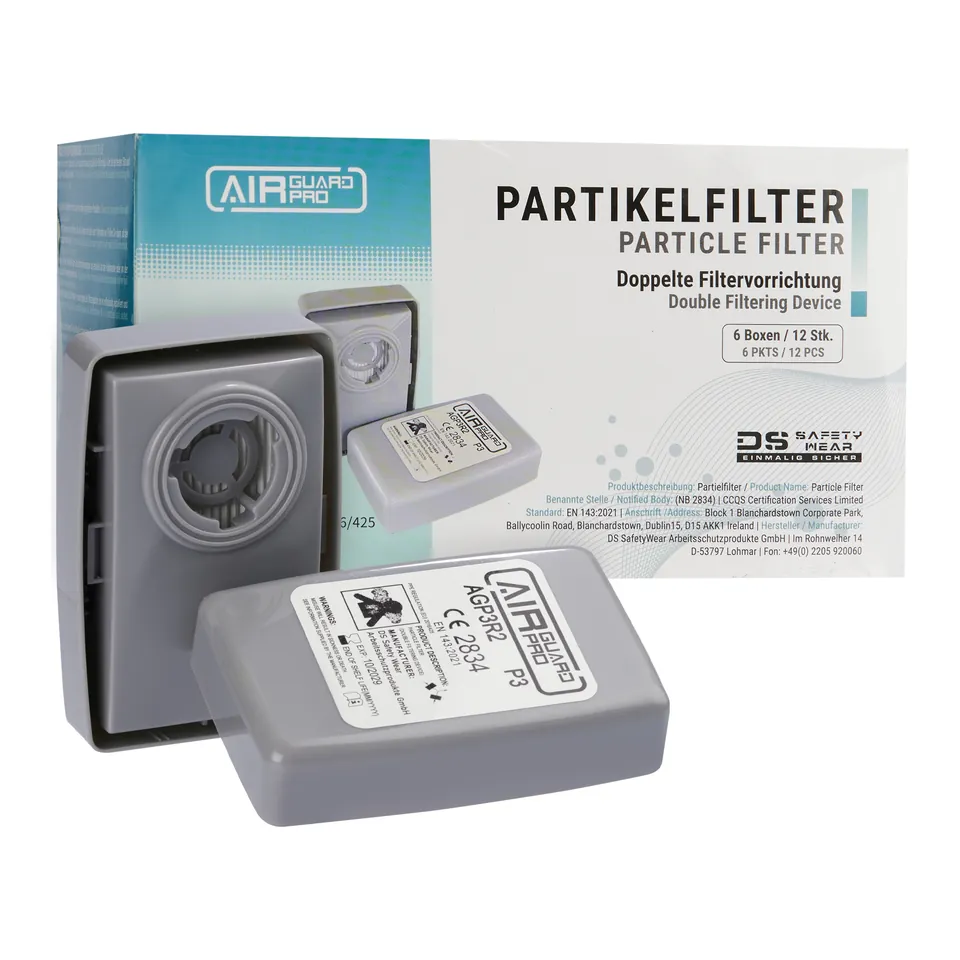
FFP disposable respirators
Six disposable particulate respirators for businesses: FFP1 for low-hazard dust, FFP2 and FFP3 for fine dusts and dusts harmful to health. With and without exhalation valve, as cup, folding or Fish Snap masks, one of them with an activated carbon layer. All are PPE of category III, tested to EN 149:2001+A1:2009.
Disposable respirators are ready for use at once and need no care, but protect only against particles and only for one working shift. The class is decided by the exposure: FFP1 up to 4 times, FFP2 up to 10 times, FFP3 up to 30 times the workplace exposure limit. If you need to filter gases and vapours or are exposed to dust for long hours every day, you are better served by a reusable half mask.

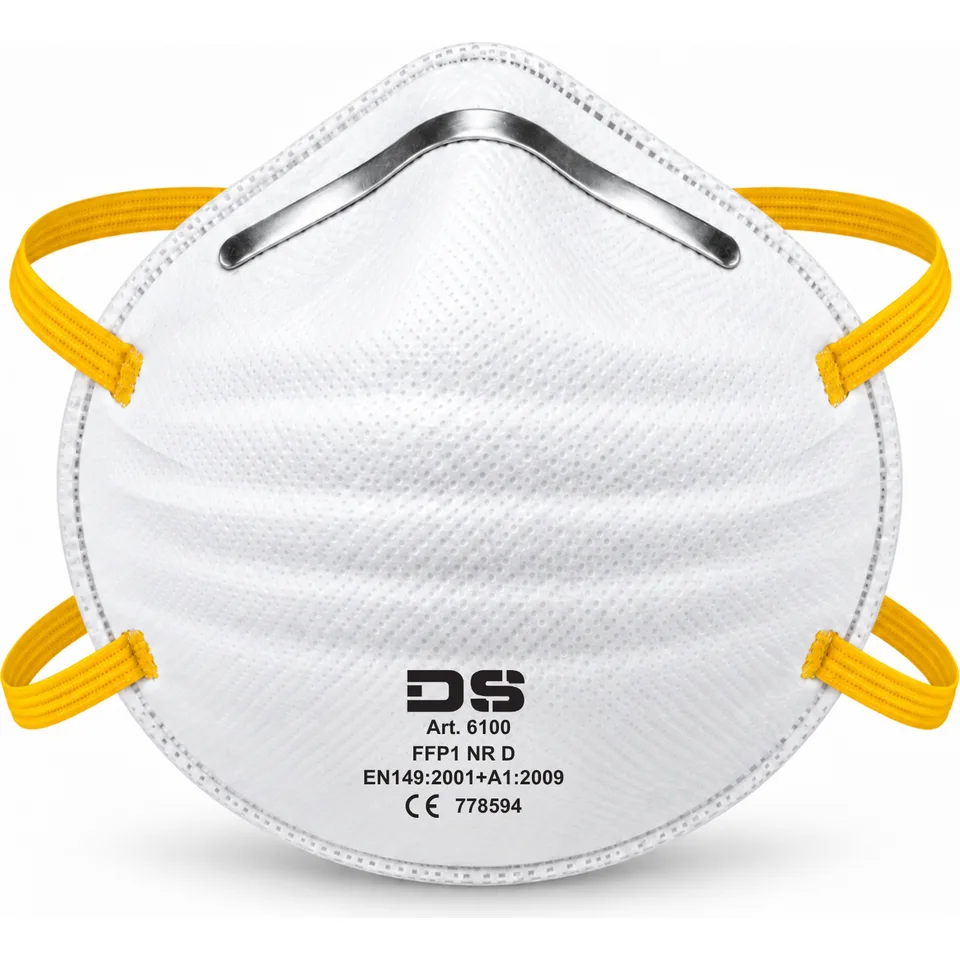
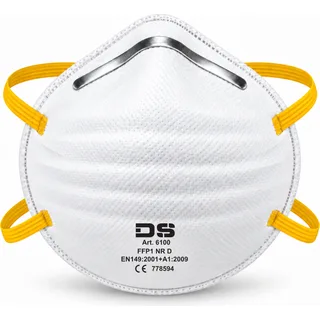
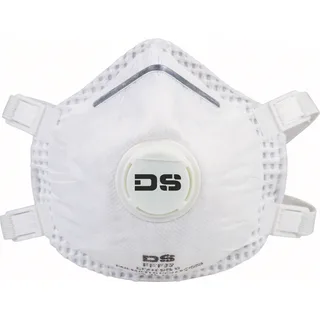
Disposable respirator FFP1, without valve
FFP1 mask 6100
6100
- Class
- FFP1 NR
- Protects up to
- 4× AGW
- Valve
- no
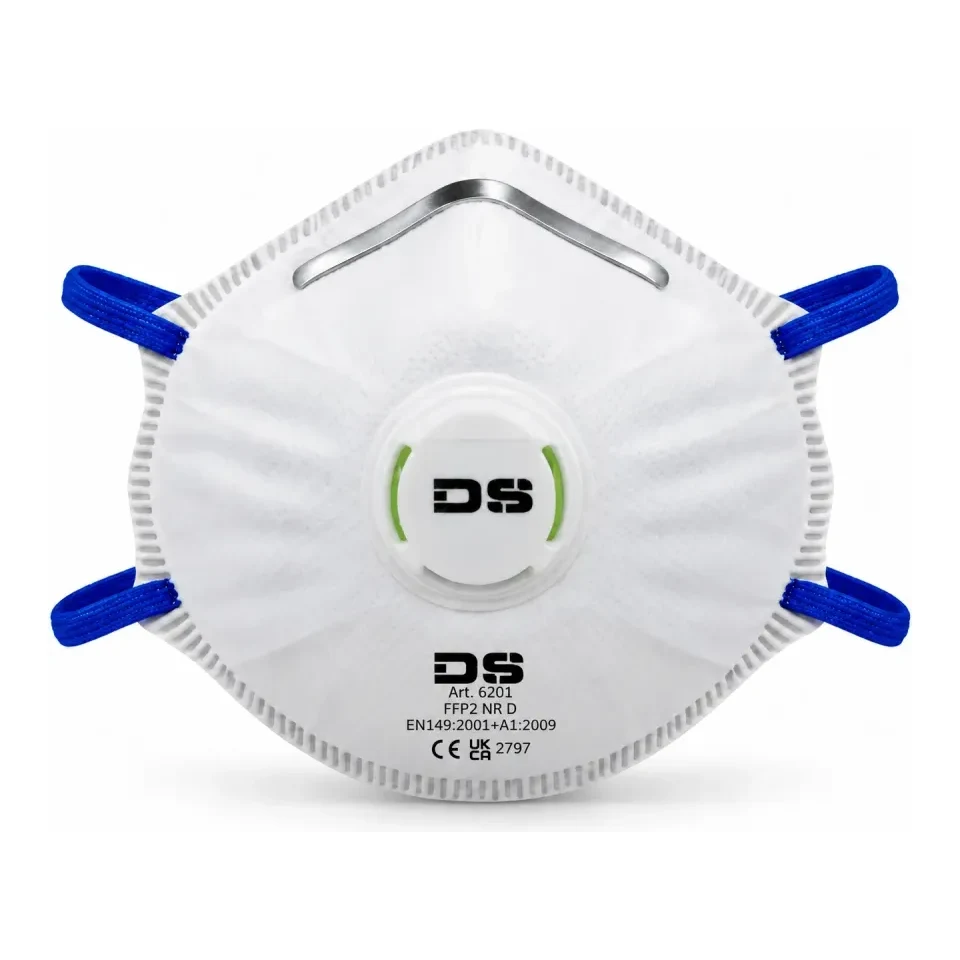
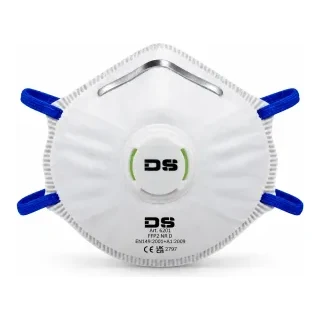
Disposable respirator FFP2, with valve
FFP2 mask 6201 with valve
6201
- Class
- FFP2 NR D
- Protects up to
- 10× AGW
- Valve
- yes
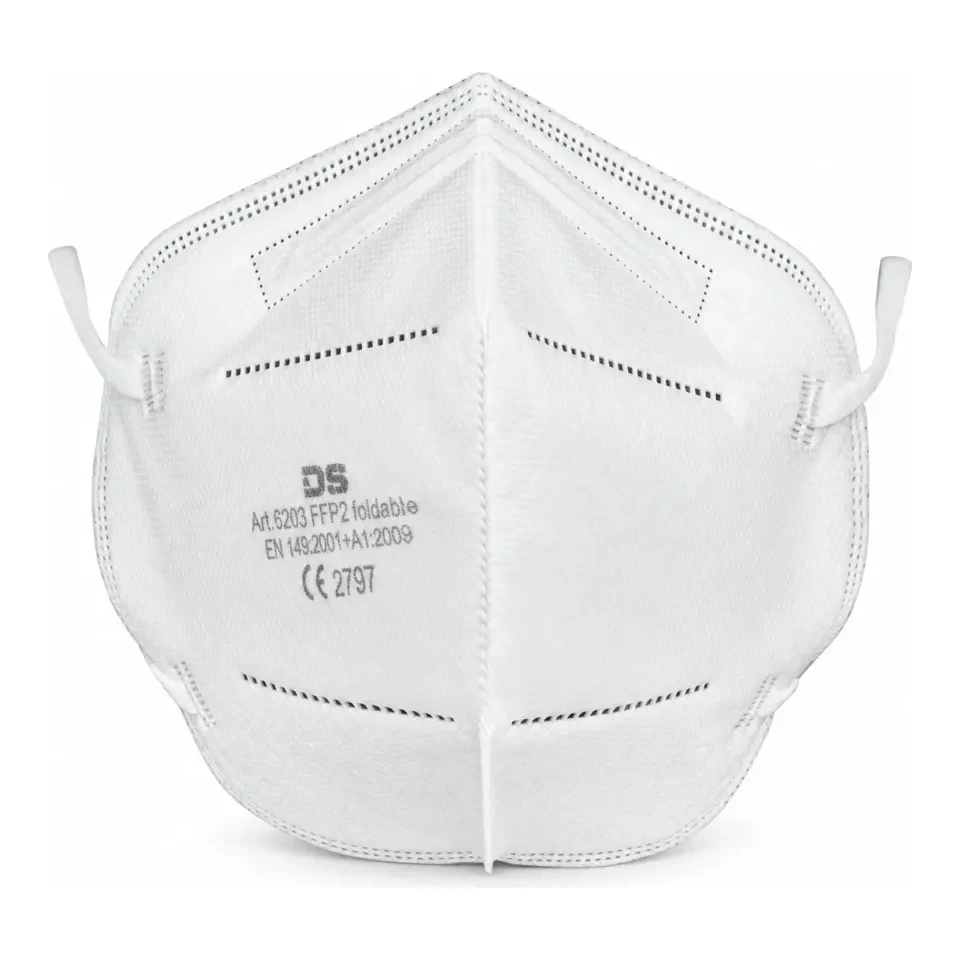
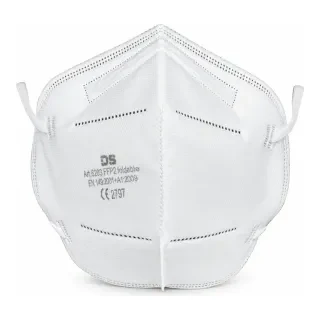
Disposable respirator FFP2, foldable, without valve
FFP2 folding mask 6203
6203
- Class
- FFP2 NR
- Protects up to
- 10× AGW
- Valve
- no
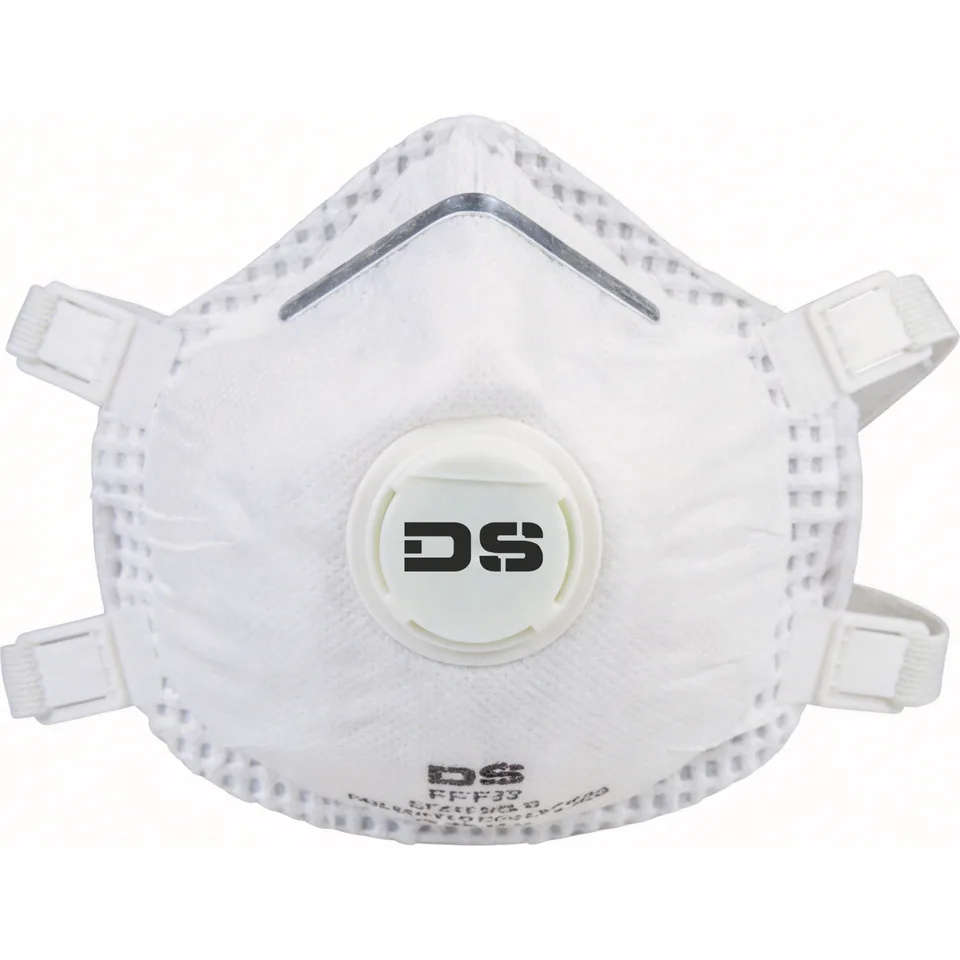
Disposable respirator FFP3, with valve
FFP3 mask 6311 with valve
6311
- Class
- FFP3 NR D
- Protects up to
- 30× AGW
- Valve
- yes
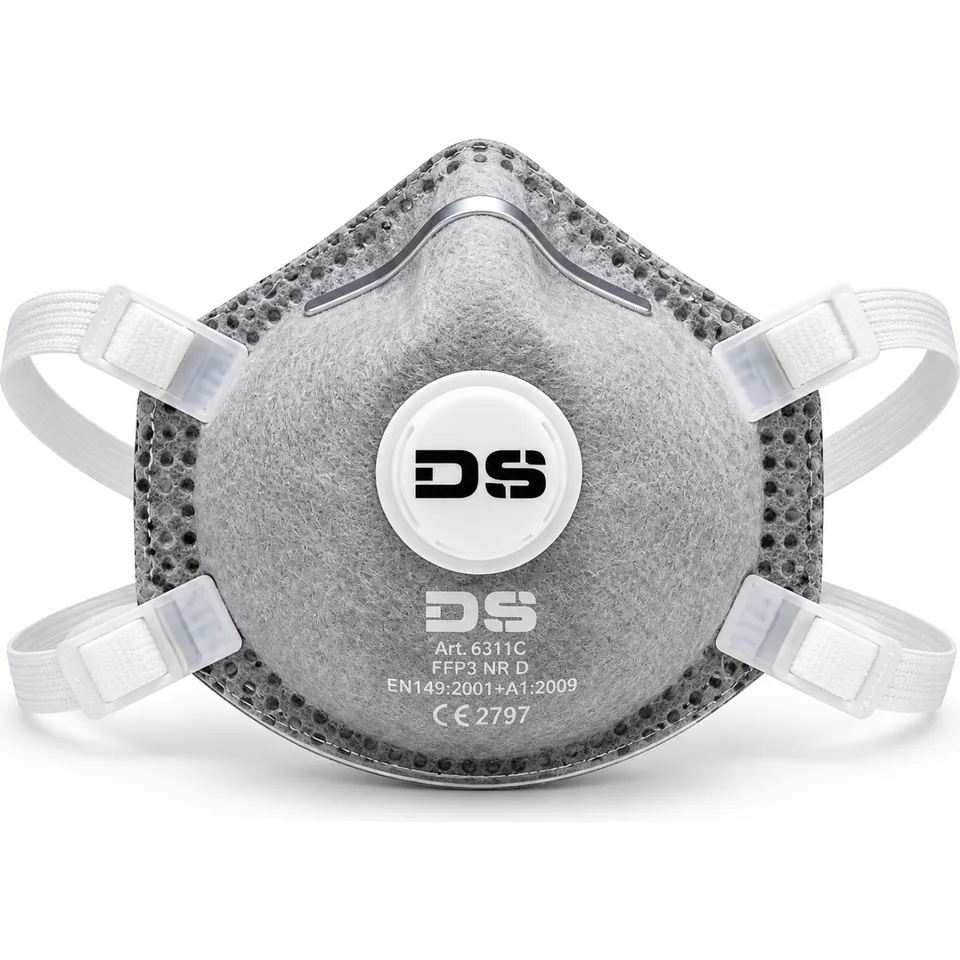
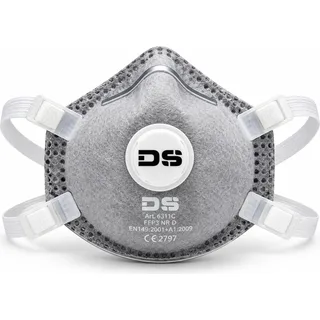
Disposable respirator FFP3, activated carbon, with valve
FFP3 mask 6311C with activated carbon
6311C
- Class
- FFP3 NR D
- Protects up to
- 30× AGW
- Valve
- yes
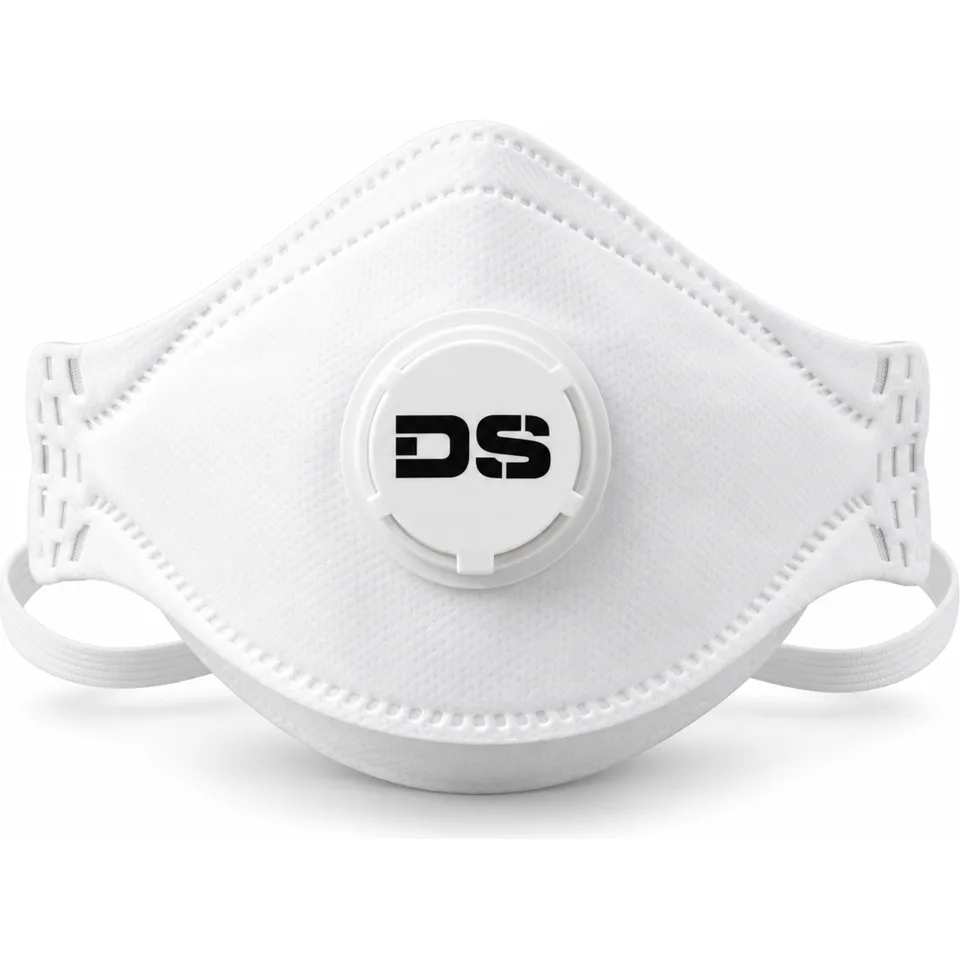
Disposable respirator FFP3, Fish Snap, with valve
FFP3 mask 6312 Fish Snap
6312
- Class
- FFP3 NR
- Protects up to
- 30× AGW
- Valve
- yes
Disposable respirators compared
| Item | Class | Protects up to | Valve | Design | Colour | Packaging |
|---|---|---|---|---|---|---|
| 6100 | FFP1 NR | 4× AGW | no | Cup shape | white | 20 per box in a foil bag |
| 6201 | FFP2 NR D | 10× AGW | yes | Cup shape, 5-layer | white | 20 per box in a foil bag |
| 6203 | FFP2 NR | 10× AGW | no | Folding mask | white | 20 per box in a foil bag |
| 6311 | FFP3 NR D | 30× AGW | yes | Cup shape | white | 10 per box in a foil bag |
| 6311C | FFP3 NR D | 30× AGW | yes | Cup shape, activated carbon | grey | 10 per box in a foil bag |
| 6312 | FFP3 NR | 30× AGW | yes | Fish Snap | white | 25 per box in a foil bag |
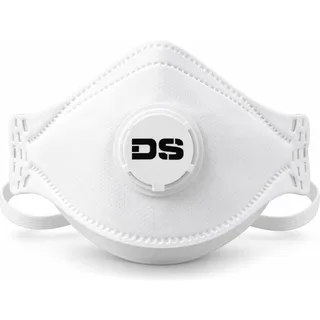
“Protects up to”: highest permitted multiple of the workplace exposure limit (AGW) under DGUV Rule 112-190, table 2. All disposable respirators protect only against particles, not against gases and vapours, and are intended for one working shift (NR). What is the AGW?
Three questions to the right mask
First the class by exposure, then valve, then design. The answers do not replace a risk assessment. More under FFP1, FFP2 or FFP3 and Disposable respirator or half mask.
1. How high is the exposure?
What counts is the multiple of the workplace exposure limit from the risk assessment.
2. With or without valve?
The valve makes exhaling easier but does not filter exhaled air.
FFP1, FFP2 or FFP3?
The class stands for the degree of protection. Under DGUV Rule 112-190: FFP1 up to 4 times, FFP2 up to 10 times, FFP3 up to 30 times the workplace exposure limit. For carcinogenic substances, radioactive substances and biological agents, the instructions for use exclude FFP1 and allow FFP2 only after a risk assessment. The decision aid: FFP1, FFP2 or FFP3.
With or without valve?
The exhalation valve makes breathing easier over a shift and reduces heat and moisture under the mask. It does let exhaled air escape unfiltered. Where the surroundings are to be protected from the wearer, for example in food processing or clean areas, masks without a valve are the right choice: 6100 and 6203.
Disposable respirator or half mask with filter?
For particle protection, an FFP3 mask and a half mask with P3 filter both reach 30 times the limit value. The disposable respirator needs no cleaning and no filter change at the workplace. For daily long use, changing hazardous substances or when gases are added, the half mask AG360 with filters is usually the better solution. The comparison gives the criteria.
Fit, wearing time, storage
A disposable respirator only protects if it seals. A beard, sideburns or deep scars in the sealing area make it unsuitable. Wear for one working shift at most, replace at once if breathing resistance is high. According to the instructions for use the masks keep for five years in the closed original packaging at room temperature, protected from sunlight. More: Face seal and beards.
For purchasing and occupational safety
Which disposable respirator suits your company?
Tell us the activity, substances per safety data sheet and your needs. We advise on selection and send samples for a wearing trial or a quote for your quantity.
Frequently asked questions
Which disposable respirator do I need?
That depends on the exposure: FFP1 up to 4 times, FFP2 up to 10 times, FFP3 up to 30 times the workplace exposure limit. For carcinogenic substances and biological agents the risk assessment decides. The selection aid guides you through the decision.
Do disposable respirators protect against gases and vapours?
No. All FFP masks only filter particles. This also applies to the 6311C with activated carbon: the instructions for use exclude protection against gases and vapours. For that you need a half mask with gas or combination filter.
How long may I wear a disposable respirator?
One working shift at most. All six masks are marked NR, so not reusable. If breathing resistance becomes noticeably high, replace at once.
What does the D in FFP3 NR D mean?
The mask passed the dolomite clogging test: even after heavy dust loading, breathing resistance stays within the permitted range. At AirGuard Pro, 6201, 6311 and 6311C carry this marking.
Are the masks medical devices or surgical masks?
No. They are personal protective equipment of category III under Regulation (EU) 2016/425 and EN 149, for occupational protection against particles.
Can I get samples for a wearing trial?
Yes. Through Request samples we send you the masks you want so employees can check design and face seal.
What do the masks cost?
Prices and scales are in the B2B shop of DS SafetyWear. Every product page links directly to the matching item.
Not quite what you were looking for?
Find out more about respiratory protection from AirGuard Pro.
What does AGW mean and how do I choose a mask by it?
To the guide: What does AGW mean and how do I choose a mask by it?What do the symbols on the mask and packaging mean?
To the guide: What do the symbols on the mask and packaging mean?How do I recognise a genuine FFP mask?
To the guide: How do I recognise a genuine FFP mask?Putting on an FFP mask correctly
To the guide: Putting on an FFP mask correctly