Exhalation valve: less heat and humidity
The valve lets exhaled air out unfiltered, because it leaves the mask and does not have to pass the filter. That saves breathing resistance, heat and humidity, especially in heavy work and in summer. The wearer’s protection stays the same; the filter class determines it.
A valve does not protect the surroundings. Where exhaled air must not carry contamination into the room, for example in cleanrooms or care, choose a mask without valve.
Activated carbon: against odour, not vapours
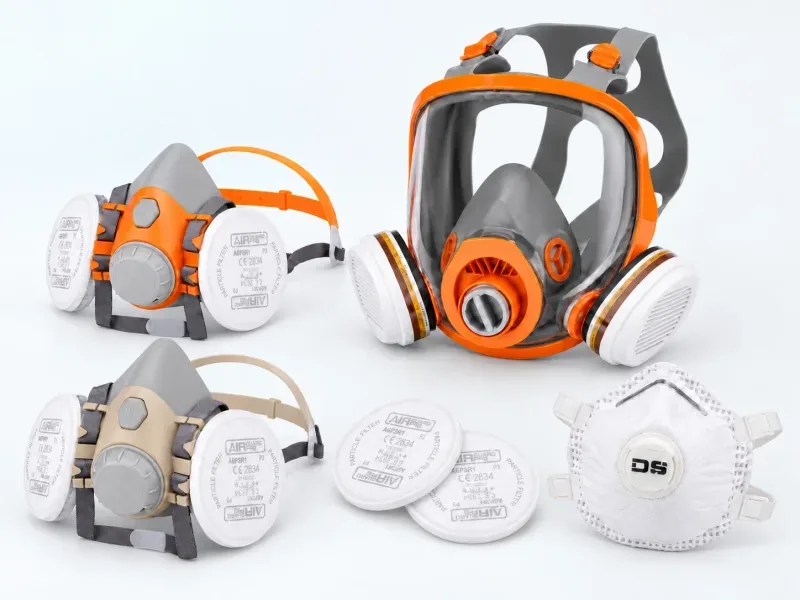
The activated carbon layer of the 6311C reduces nuisance odours below the limit value. Like all FFP masks it filters particles only. It does not protect against gases and vapours at hazardous concentrations. For that you need a half or full-face mask with gas or combination filter. Which filter suits which substance is explained in Choosing the right filter.
Which mask for which case
| Case | Recommendation |
|---|---|
| Grinding, sawing, construction, short jobs | FFP2 with valve, e.g. 6201 |
| Dust in food or care settings, protecting the surroundings | FFP2 without valve, e.g. 6203 |
| Fine dust with high protection need, long wearing time | FFP3 with valve, e.g. 6311 or 6312 |
| Fine dust with odour, e.g. welding or painting | FFP3 with activated carbon, 6311C |
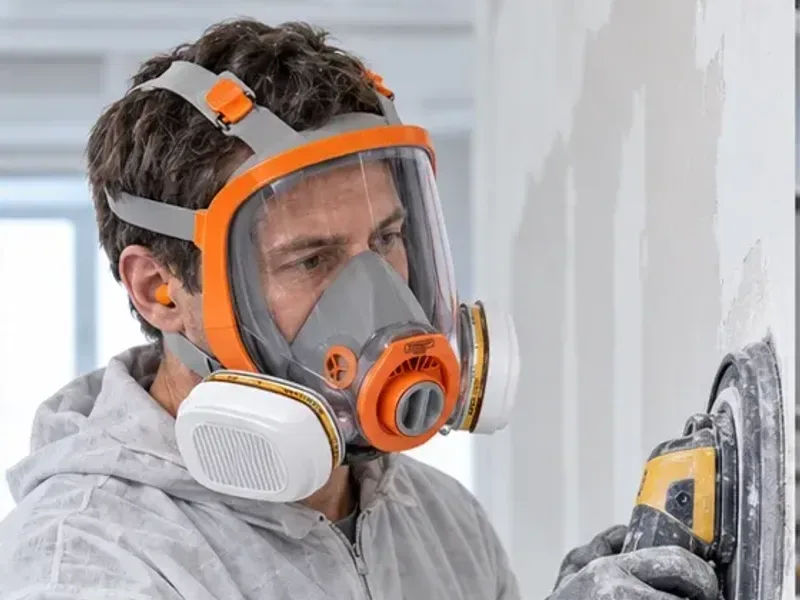
| Vapours above the limit value, solvents | Half or full-face mask with gas or combination filter |
Frequently asked questions
Does an FFP mask with valve protect less?
No. The wearer is protected equally. The valve only lets exhaled air out unfiltered; it does not protect the surroundings.
Does activated carbon in an FFP mask help against vapours?
Only against odour nuisance below the limit value. Against hazardous gases and vapours only a gas or combination filter on a half or full-face mask protects.
When do I choose a mask without valve?
When exhaled air must not burden the surroundings, for example in cleanrooms or care.