What G 26 is
The German statutory accident insurance principle G 26 “Respiratory protective devices” describes how doctors assess fitness for wearing respiratory protection. The legal basis of the health care is the German Ordinance on Occupational Health Care (ArbMedVV), annex part 4. The health care is carried out by a doctor with the specialist title occupational medicine or the additional title company medicine.
Mandatory or offered: the device groups
Under AMR 14.2 respiratory protective devices are divided into three groups. The strain rises from group 1 to group 3.
| Group | Health care | Examples |
|---|---|---|
| Group 1 | Offered health care | Light devices with low breathing resistance, for example filtering half masks (FFP). |
| Group 2 and 3 | Mandatory health care | Devices with higher weight or higher breathing resistance. The classification is in AMR 14.2. |
Mandatory health care means: the employer arranges it before the work starts. Without it the work may not be carried out. Offered health care means: the employer must offer it, the employees decide whether to take it. According to the descriptions of the accident insurance bodies, health care is not required for devices under 3 kg without breathing resistance. For devices up to 3 kg with low breathing resistance it depends on the wearing duration. Check the classification for your devices in AMR 14.2.
What the employer has to do
- Risk assessment: Which respiratory protective devices are worn, how long and under what strain?
- Determine the group: Assign the device to group 1, 2 or 3.
- Arrange or offer health care: Agree an appointment with the company doctor.
- File the certificate: The doctor issues a health care certificate. It contains no diagnosis.
- Observe deadlines: When the next health care is due is determined by the doctor under the current principle.
Health care replaces neither the risk assessment nor the instruction. More on the duties in Respiratory protection duties.
Disposable masks and half masks
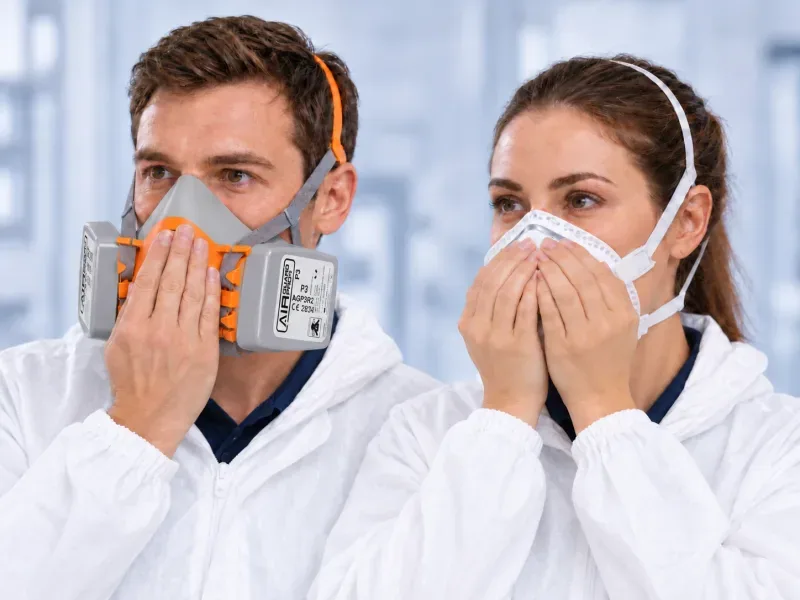
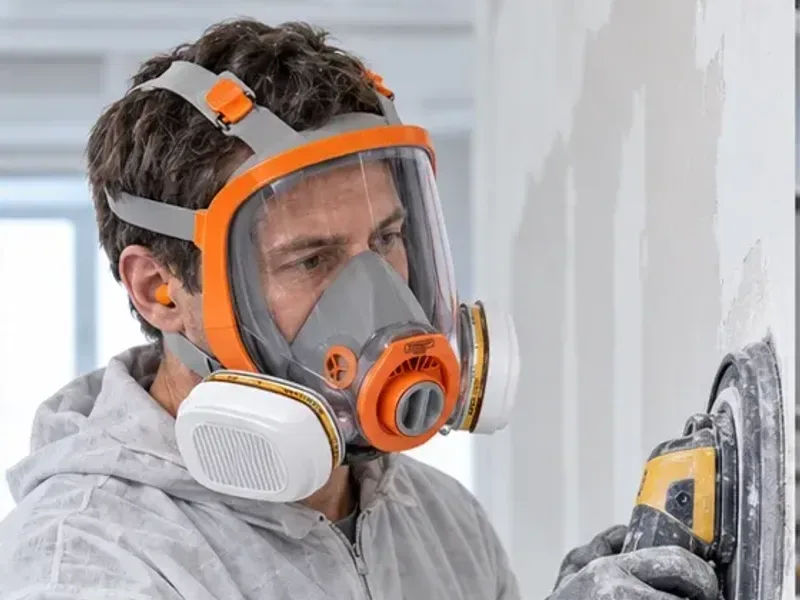
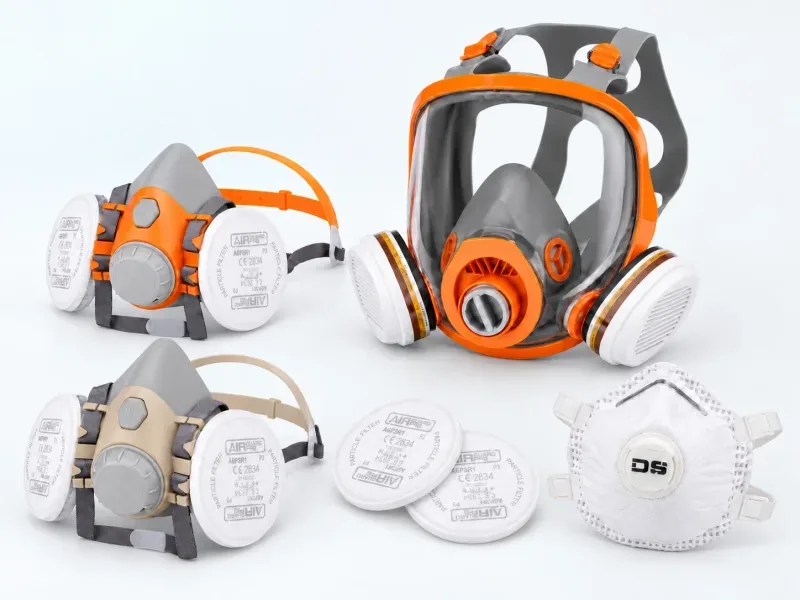
For the half mask AG360 and the disposable masks 6201 and 6311 the classification under AMR 14.2 and your risk assessment applies. Classify the full-face mask AG700 separately in the risk assessment. Binding is the statement of your company doctor.
Frequently asked questions
Do I need G 26 for FFP masks?
Filtering half masks mostly belong to device group 1. Then health care is an offer by the employer. The classification for your device is in AMR 14.2.
What is the difference between mandatory and offered health care?
With mandatory health care the work may not be carried out without it. With offered health care the employer must offer it, the employees decide.
Who carries out the health care?
A doctor with the specialist title occupational medicine or the additional title company medicine.
Does the employer learn the result of the examination?
The employer receives a certificate that health care took place and when the next is due. Findings fall under medical confidentiality.
Sources
- Ordinance on Occupational Health Care (ArbMedVV, Germany), annex
- AMR 14.2 “Classification of respiratory protective devices into groups” (BAuA, Germany)
- DGUV Rule 112-190 “Use of respiratory protective devices” (Germany), November 2021 edition
- Occupational health care for respiratory protection (BGN Branchenwissen, Germany)
- Instructions for use and data sheets of the AirGuard Pro products